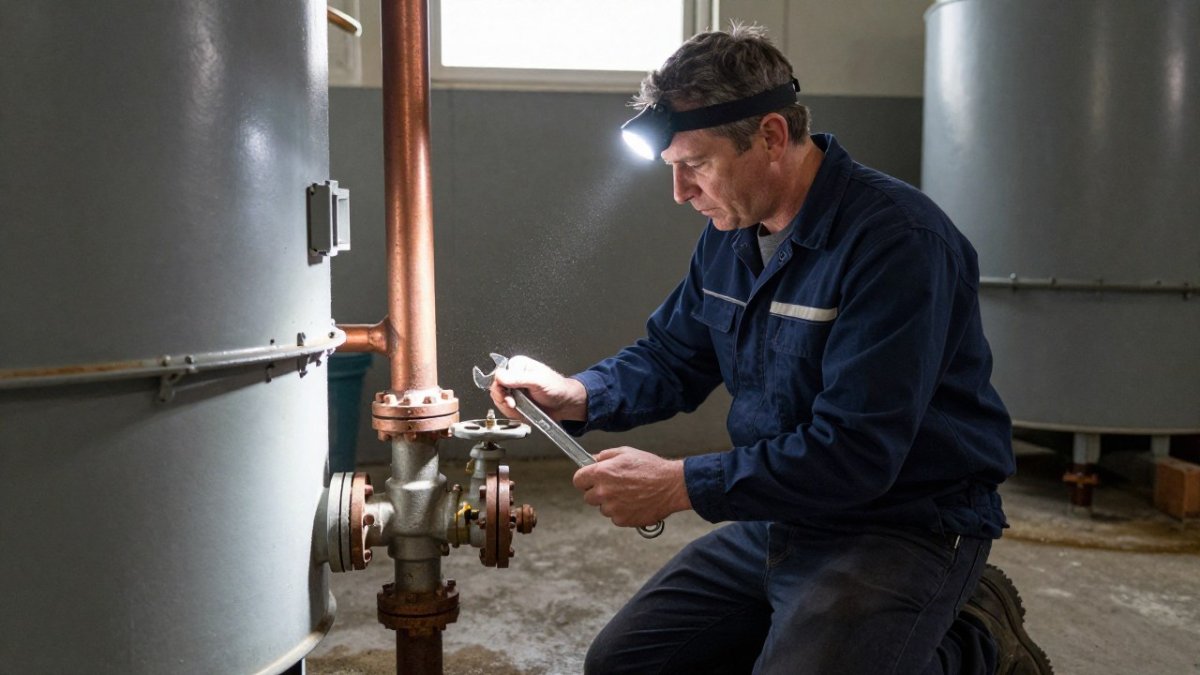
Signs You Need a New Furnace: A Homeowner’s Guide
Last Updated: November 13, 2026
Quick Summary
You likely need a new furnace if your unit is 15-20 years old, needs two or more repairs in two heating seasons, or a single repair exceeds roughly one-third of replacement cost. A cracked heat exchanger, gas smells, or a yellow pilot flame also mean you need a new furnace for safety.
- A gas furnace typically lasts 15-20 years with regular maintenance.
- If three or more checklist boxes apply, start planning for replacement.
- Replace when a single repair exceeds roughly one-third of new unit and install cost.
- A cracked heat exchanger is a safety issue that only replacement resolves.
- Never open the furnace cabinet, touch wiring, or attempt gas-line work yourself.
Table of Contents
- Warning Signs You Need a New Furnace
- How Furnace Life Expectancy Shapes Your Decision
- Rising Energy Bills and Declining Heating Performance
- Strange Noises, Odors, and Cycling Problems
- Signs Your Furnace Is Going to Explode and Safety Triage
- Furnace Repair or Replacement: A Decision Framework
- What Furnace Replacement Cost Looks Like
- Diagnostic Checks Homeowners Can Do Safely
- Schedule a Professional Furnace Inspection
- Frequently Asked Questions
Warning Signs You Need a New Furnace
Most homeowners wait until the furnace dies on the coldest night of the year. That is the most expensive way to replace one. Recognizing the signs you need a new furnace early gives you use: time to compare quotes, plan financing, and avoid an emergency install at emergency prices. Furnaces rarely fail without warning, and the pattern is consistent. Furnaces rarely fail without warning. They often telegraph the end for months, sometimes years, through rising bills, odd noises, and rooms that never quite warm up. This guide covers the warning signs, a repair-or-replace framework, what a replacement involves, and the checks you can safely do yourself before calling anyone.
The Checklist: What to Watch For
Use this checklist to score your furnace honestly. If three or more boxes apply, start planning for replacement rather than waiting for a breakdown.
- Furnace is 15-20 years old or older
- Two or more repairs in the past two heating seasons
- Heating bills climbing without a rate increase
- Rooms that stay cold while others overheat
- Air from vents feels warm but never hot
- Buzzing, banging, or rattling that started recently
- Yellow or flickering pilot flame instead of steady blue
- Furnace cycles on and off every few minutes
- Breaker trips when the furnace runs
- Any smell of gas or exhaust indoors
How Furnace Life Expectancy Shapes Your Decision
A gas furnace typically lasts 15-20 years with regular maintenance, and the final third of that lifespan is where repair bills accelerate. The U.S. Department of Energy guidance on furnace efficiency notes that older units lose efficiency as components wear, so you pay more each year for less heat. Furnace life expectancy is not a hard number, though. A well-maintained unit in a dry basement can outlast a neglected one by five years or more. The practical question is not “how old is it?” but “how much longer will it run reliably?” Once a furnace passes year 15 and needs a major repair, the math usually tilts toward replacement.
Rising Energy Bills and Declining Heating Performance
Climbing heating costs are the quietest warning sign, because they arrive gradually. A furnace that once kept the house comfortable now runs longer to hit the same thermostat setting, and that extra runtime shows up on every bill. Before blaming the furnace, rule out the obvious: a dirty filter, a drafty window, or a rate hike. If those check out and bills keep climbing, the blower motor or heat exchanger is likely losing efficiency. For a deeper look at what drives costs, read our guide to common causes of high energy bills.
Strange Noises, Odors, and Cycling Problems
Noises and smells are the furnace’s way of asking for attention, and the type of noise tells you what is failing.
- Buzzing or humming: often a failing blower motor or transformer
- Banging or booming: delayed ignition, where gas builds up before lighting
- Rattling: loose panels or a failing inducer motor
- Squealing: worn blower bearings
- Musty or burning smells: overheating components or blocked airflow
Frequent cycling, where the furnace shuts down and restarts every few minutes, points to a thermostat issue, a clogged filter, or an overheating limit switch. Tripping breakers suggest an electrical fault that needs a technician, not a reset button.
Signs Your Furnace Is Going to Explode and Safety Triage
A furnace does not explode like a bomb, but gas leaks, cracked heat exchangers, and delayed ignition are genuine hazards, and the difference between an emergency and a nuisance is the whole point of triage. Sort what you are seeing into one of three tiers before you do anything else.
Tier 1, Leave the house now. A rotten-egg gas smell, a hissing sound near a gas line, or a carbon monoxide alarm sounding means get everyone outside, including pets, and call your gas utility’s emergency line from outside the building. If anyone has symptoms, headache, dizziness, nausea, confusion, or shortness of breath, call 911. Do not flip light switches, do not open the furnace cabinet, and do not try to relight a pilot. Carbon monoxide is odorless, so a CO alarm is the only warning you may get; carbon monoxide alarms are widely recommended on every level of the home and outside sleeping areas.
Tier 2, Shut the system down and call for same-day service. A yellow or flickering burner flame instead of a steady blue one, soot streaks or black residue around the unit, a backdraft smell of exhaust indoors, or repeated banging from delayed ignition all point to incomplete combustion or a venting problem. Turn the furnace off at the thermostat and at the service switch, keep the area clear, and treat it as a no-heat call rather than something to monitor overnight. A cracked heat exchanger belongs here too: it can let combustion gases into the supply air, and no repair short of replacement resolves it.
Tier 3, Performance problem, not an emergency. A furnace that runs but never gets the house warm, short cycles every few minutes, trips a breaker once, or makes a squealing or rattling noise is a comfort and reliability issue. Schedule service during business hours, and in freezing weather keep faucets dripping and cabinet doors open to reduce pipe-freeze risk while you wait.
Watch out: a breaker that trips repeatedly, a burning smell with no visible source, or any gas odor that returns after the utility clears the line are all reasons to stop resetting and start calling, repeated resets can mask a fault that damages the unit or creates a hazard.
For no-heat emergencies in freezing weather, our 24/7 no-heat furnace repair team is available around the clock.
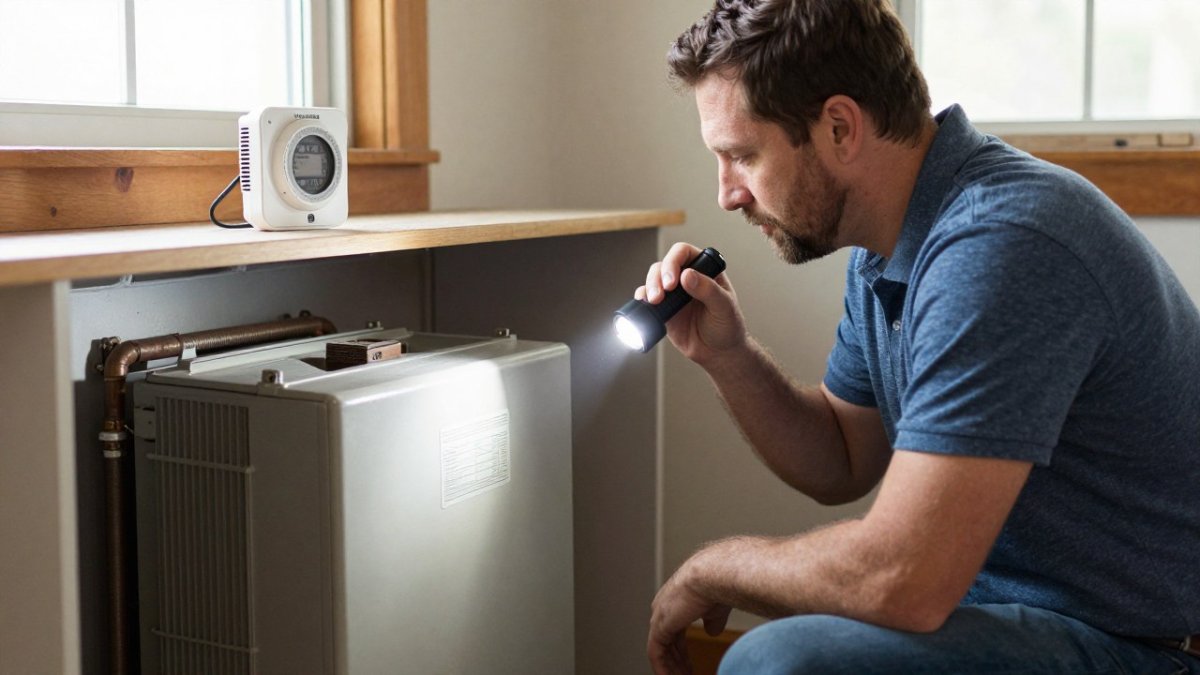
Furnace Repair or Replacement: A Decision Framework
The repair-or-replace call is not one number; it is five factors weighed together. Work through them in order and the answer usually becomes obvious.
1. Age against expected remaining life. A gas furnace typically lasts 15-20 years with annual maintenance. If yours is 16 and a repair buys two more years, you are renting time at a high price. If it is 9 and the repair is routine, you have a decade of service left to amortize the cost against.
2. Repair cost as a share of replacement. A common industry rule of thumb is to replace when a single repair exceeds roughly one-third of what a new unit and install would cost. A $600 repair on a system that would cost $5,000 to replace is 12%, repair. A $2,000 repair on the same system is 40%, replace. Get the replacement number first so the repair quote has something to be measured against.
3. Repair frequency. Two or more repairs in the past two heating seasons signals that components are failing in sequence, not in isolation. Each repair resets one part while the rest of the system keeps aging.
4. Efficiency and operating cost. Older furnaces commonly run at 80% annual fuel utilization efficiency or below, while modern condensing units reach the mid-90s. The gap shows up as runtime and fuel use every month. A new high-efficiency unit costs more upfront, but the operating difference compounds over the years you keep it, and any efficiency incentives available at the time of purchase may narrow the upfront gap.
5. Warranty and parts availability. A unit still under a parts-and-labor warranty changes the math; a 20-year-old unit with no warranty and scarce parts does not. Ask the technician what is still covered before you decide.
| Situation | Recommended path | Why |
|---|---|---|
| Under 10 years, first repair | Repair | Plenty of service life remains |
| 10-15 years, repair under one-third of replacement cost | Repair | Still economical |
| 15+ years, repair over one-third of replacement cost | Replace | Money goes toward a new unit |
| Any age, second major repair in two years | Replace | Reliability is gone |
| Cracked heat exchanger | Replace | Safety issue, not repairable |
| Unit out of warranty with discontinued parts | Replace | Repair may not be possible or durable |
What replacement actually involves: a contractor performs a load calculation on your home rather than matching the old unit’s size, confirms the efficiency rating and venting the install requires, pulls the permit, and schedules the swap, often a one-day job for a straightforward changeout, longer if ductwork or venting changes are needed. Ask for a written, itemized quote covering equipment, labor, permits, and any duct or vent work, and ask what the warranty covers and for how long.
When replacement is the answer, our furnace installation service covers new furnace installation for homes and offices. If repair still makes sense, our same-day furnace repair team provides furnace repair with same-day service available.
What Furnace Replacement Cost Looks Like
Furnace replacement cost depends on unit efficiency, home size, ductwork condition, and installation complexity, so pricing is best confirmed through a quote from TABORS COMPLETE COMFORT Mechanical LLC or its pricing page. What we can tell you is how the components break down: the furnace itself, labor, any ductwork or venting changes, and permits. High-efficiency condensing units cost more upfront than standard 80% models but can lower operating costs over time. Financing spreads the upfront cost across monthly payments. Ask for a written, itemized quote.
Diagnostic Checks Homeowners Can Do Safely
You can rule out several common problems before calling a technician, and doing so often saves a service visit.
- Replace the filter. A clogged filter chokes airflow and causes overheating, short cycling, and high bills.
- Check the thermostat. Confirm it is set to heat, the batteries are fresh, and the schedule did not reset.
- Check the breaker. A tripped breaker explains a dead furnace, but a breaker that trips repeatedly is an electrical fault.
- Inspect the flame. A steady blue flame is healthy; yellow or flickering warrants a call.
- Check the vents. Confirm supply registers are open and not blocked by furniture.
Watch out: never open the furnace cabinet, touch wiring, or attempt gas-line work yourself. Those tasks belong to a licensed technician.
Schedule a Professional Furnace Inspection
A professional inspection is the only way to confirm what a furnace needs, and it takes the guesswork out of the repair-or-replace decision. A technician checks the heat exchanger for cracks, measures combustion, tests the blower and controls, and gives you a straight assessment of remaining life. TABORS COMPLETE COMFORT Mechanical LLC offers transparent, upfront pricing. Contact us to schedule an inspection, or call or text (773) 715-3860 for 24/7 emergency help.
The worst time to shop for a furnace is the night yours quits. Get ahead of it with an inspection now. TABORS COMPLETE COMFORT Mechanical LLC brings over 21 years of experience, same-day and 24/7 emergency service, and transparent upfront pricing to every job. Get started with TABORS COMPLETE COMFORT Mechanical LLC and replace guesswork with a clear plan for your home’s heat.
Frequently Asked Questions
How do you know if your furnace needs to be replaced?
Age is the clearest signal. Most furnaces last 15 to 20 years, so a unit past that range with rising repair bills is a strong replacement candidate. Pair age with symptoms: uneven heating, frequent cycling, unusual noises, yellow burner flames, or repeated breaker trips. If repairs are piling up and energy bills keep climbing, a new furnace usually costs less over the next decade than keeping the old one alive.
What is the $5,000 rule for furnace replacement?
A rough shortcut is to multiply the furnace’s age by the repair quote and treat a high result as a signal to consider replacement. For example, a 15-year-old furnace facing a $400 repair gives 6,000, which points toward replacing. Treat it as a starting point, not a verdict. Efficiency losses, safety issues, and replacement cost all belong in the final decision.
Should I replace a 20-year-old furnace even if it still runs?
A 20-year-old furnace is at the end of its furnace life expectancy, even when it still heats the house. Efficiency drops with age, so you are paying more per month for less warmth. Parts also get harder to source, which stretches repair timelines. Have an HVAC technician inspect the heat exchanger and blower before deciding. If the unit shows cracks, rust, or repeat failures, replacement is the safer and cheaper path.
What are the signs your furnace is going to explode?
A gas furnace does not explode without warning. Watch for a rotten egg smell, a yellow or flickering pilot flame instead of a steady blue one, loud booming on startup, soot around the unit, or a carbon monoxide alarm sounding. Any of these means shut off the gas valve if you can reach it safely, open windows, leave the building, and call emergency service. Do not relight the pilot or run the system while investigating.
Is it better to repair or replace an old furnace?
Repair makes sense when the furnace is under 12 years old, the fix is minor, and the heat exchanger is intact. Replace when the unit is past 15 years, repairs are recurring, or efficiency has dropped enough that energy bills offset the savings. A furnace repair or replacement decision should also weigh furnace replacement cost against the repair quote and the expected years left in the unit.
What does furnace replacement cost typically include?
Furnace replacement cost covers more than the box. A written quote should itemize the equipment, labor, and any additional work your installation requires. Pricing varies with system size, efficiency rating, and whether ductwork needs sealing. Ask for a written quote that itemizes each line so nothing appears as a surprise fee at the end.