How to Keep Pipes From Freezing This Winter
Quick Summary
To keep pipes from freezing this winter, keep your thermostat at the same setting day and night, even when you are away. Open cabinet doors under sinks on cold nights so warm room air can reach the pipes. Keep your home at or above 55 degrees Fahrenheit to protect pipes.
- Keep the thermostat at the same setting day and night, even when you leave home.
- Open cabinet doors under sinks on cold nights to let warm air reach pipes.
- Keep your home at or above 55 degrees Fahrenheit to protect pipes.
- If pipes freeze, never use an open flame to thaw them.
- If pipes freeze, turn off the main water valve first, then call for help.
Table of Contents
- Keep Your Thermostat Steady and Your Cabinets Open
- How to Keep Pipes From Freezing Without Heat
- What Temperature to Keep Pipes From Freezing and What to Do If Pipes Freeze and No Water Comes Out
- Frequently Asked Questions
Keep Your Thermostat Steady and Your Cabinets Open
Last Updated: November 15, 2026
Frozen pipes cause some of the costliest winter damage a home can face. Keeping pipes from freezing takes a few simple habits, and most of them cost nothing.
Start with the thermostat. Keep it at the same setting day and night, even when you leave home. A thermostat set too low lets cold air settle into walls and crawl spaces where pipes run. A furnace tune-up and safety inspection can help keep your heating system reliable through the cold months.
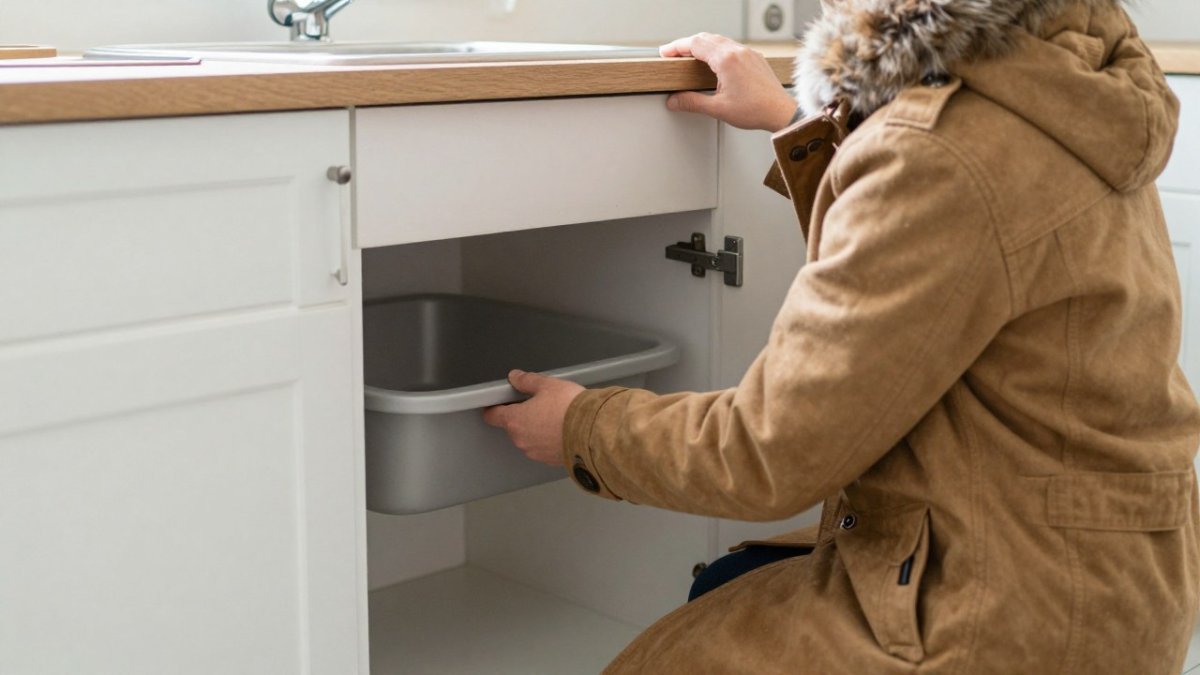
Open cabinet doors under sinks on cold nights. This lets warm room air reach the pipes behind them. It is a small step that works well.
For more help with heating, see our furnace services in Chicago page.
How to Keep Pipes From Freezing Without Heat
If your heat goes out, act fast. Use these steps:
- Let faucets drip slowly, especially on exterior walls
- Open cabinet doors to let warm air reach pipes
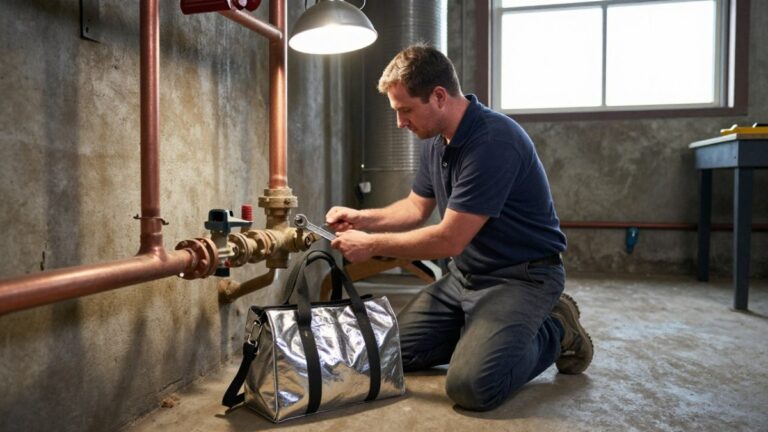
- Shut off the main water valve if you leave the home
- Drain water lines in a vacant property
A steady drip can help keep water moving, and moving water is harder to freeze than still water. If your water supply was affected by the cold, water heater repair and maintenance in Chicago can check your hot water system after a freeze.
What Temperature to Keep Pipes From Freezing and What to Do If Pipes Freeze and No Water Comes Out
Keep your home at or above 55 degrees Fahrenheit to protect pipes. If pipes freeze, do not use an open flame to thaw them. Turn off the main water valve first, then call for help. If your heat has stopped, no heat furnace repair or 24/7 emergency HVAC service can get things running again.
The article gives a clear temperature target and a short sequence for handling frozen pipes.
| Item | Value | Note |
|---|---|---|
| Minimum home temperature | 55 degrees Fahrenheit | Protects pipes from freezing |
| Open flame to thaw pipes | Do not use | Risk when pipes freeze |
| First action if pipes freeze | Turn off main water valve | Before calling for help |
| Next action if pipes freeze | Call for help | After shutting off water |
Frequently Asked Questions
What temperature should you keep your house at to prevent pipes from freezing?
Keep your thermostat at or above 55 degrees Fahrenheit, even when you are away. Pipes in exterior walls, crawl spaces, and attics are most at risk, so keeping cabinet doors open under sinks lets warm room air reach them. A steady setting matters more than a dramatic drop at night, because repeated cycles of cold and warmth stress the lines.
How can you keep pipes from freezing without heat?
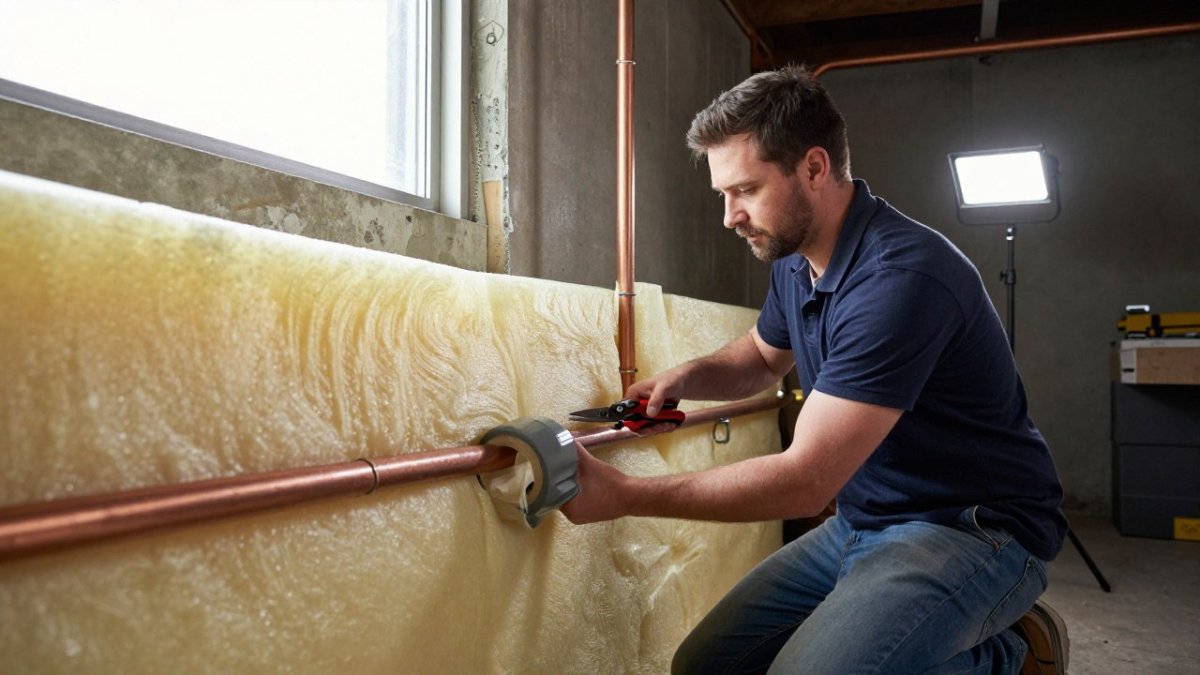
Drain the water from exposed pipes and the plumbing system if you can, shut off the main water valve, and open the faucets so any remaining water can expand without cracking the pipe. Wrap exposed pipes with foam pipe insulation, and seal drafts near them. Insulation alone will not hold out extreme cold for long, so this method works best as a short-term step until heat is restored.
What should you do if your pipes freeze and no water comes out?
Shut off the water supply at the main valve first so pressure does not build behind the frozen section. Open the nearest faucet to relieve pressure, then slowly warm the pipe with a hair dryer or heat tape, starting nearest the faucet and moving outward. Never use an open flame or torch. If you see water leaking or cannot locate the freeze, call a licensed plumber or HVAC professional right away.