
AC Recharge Chicago, IL | R-410A & R-22 Refrigerant Refill
Air Conditioning Recharge in Chicago, IL
Low Refrigerant? We Find the Leak, Fix It, and Recharge Your System.
If your air conditioner is blowing warm air, running non-stop, or icing up around the lines, low refrigerant is one of the most likely causes. Refrigerant doesn’t get “used up” like fuel, if your system is low, there’s a leak somewhere. Topping it off without finding and fixing that leak is money wasted.
At Tabor’s Complete Comfort Mechanical, we do this right. We locate the leak, repair it, and then recharge your system to factory specifications using the correct refrigerant, R-410A for modern systems or R-22 for older units still in operation. We serve Chicago and the surrounding Chicagoland area with same-day service available throughout the summer months.
📞 Call (773) 715-3860 or Book Online for AC refrigerant service today.
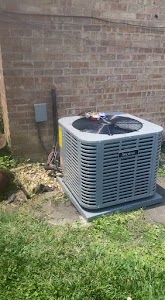





























Contact us now & Get a Free Quote Today!
R-410A Refrigerant Recharge in Chicago
R-410A is the standard refrigerant used in most residential and light commercial AC systems installed after 2010. It replaced R-22 due to its lower environmental impact and better efficiency characteristics. If your system uses R-410A and is low on refrigerant, it means there is a leak in the refrigerant circuit — lines, coils, valves, or fittings. R-410A operates at higher pressures than R-22, which means leaks can develop at connection points, particularly in systems that have experienced vibration or physical stress over time.
Our R-410A recharge process:
- Confirm cooling performance before leaving the job
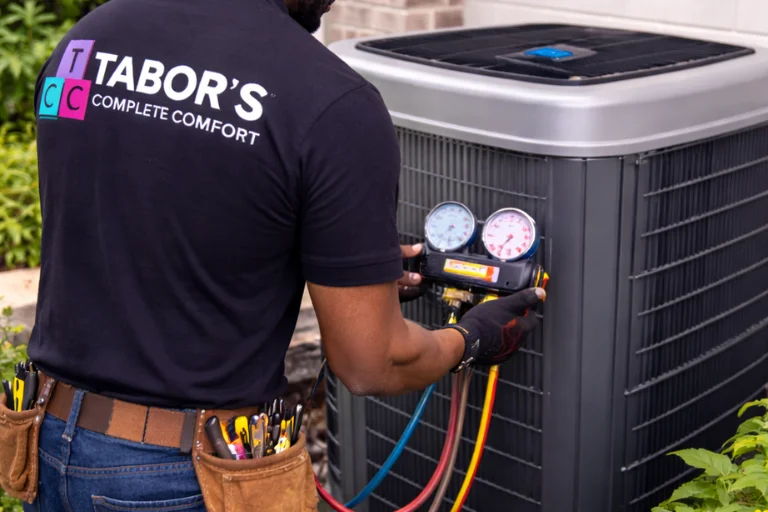
- Connect manifold gauges to measure system pressures
- Compare readings against the manufacturer’s target charge for your specific equipment
- Perform a leak search — electronic detection, UV dye, or nitrogen pressure test depending on the situation
- Repair the confirmed leak point
- Evacuate moisture from the system if lines were opened during repair
- Recharge with certified R-410A refrigerant to manufacturer specifications
- Verify suction and discharge pressures, superheat, and subcooling readings post-charge
R-22 Refrigerant Refill in Chicago
R-22, commonly known as Freon was the standard refrigerant in AC systems manufactured before 2010. As of January 2020, the EPA phased out R-22 production and import in the United States under the Clean Air Act. This means R-22 is no longer manufactured domestically and the supply available comes entirely from reclaimed and recycled stock. As a result, R-22 is significantly more expensive than it was even a few years ago, and prices continue to rise as the remaining supply diminishes. If you have an R-22 system that is low on refrigerant, you face a practical decision:
Our technicians will give you an honest assessment of both options, including estimated costs, so you can make the right decision for your situation. We never push replacement when repair is the better call — and we never push repair when the numbers don’t justify it.
The Leak Has to Be Fixed First
This is worth saying plainly because some contractors will skip it: adding refrigerant to a leaking system without repairing the leak is not a proper fix. The refrigerant will simply escape again through the same leak point, you’ll be back to warm air within weeks or months, and you’ll have paid for refrigerant that’s now in the atmosphere. Beyond the cost, releasing refrigerant into the atmosphere without proper recovery is a violation of EPA Section 608 regulations. Licensed technicians are required by law to recover refrigerant and address leaks before recharging. At Tabor’s, we do not top off leaking systems without repairing the source. If a leak is confirmed, we repair it first. That’s the right way to do this job, and it’s the only way we do it.

Nitrogen Pressure Testing
When a refrigerant leak is suspected but the source can’t be identified through standard electronic detection, we perform a nitrogen pressure test. This involves pressurizing the refrigerant circuit with dry nitrogen, an inert, non-toxic gas — and monitoring for pressure loss over time.
Nitrogen testing is particularly useful for:
- Locating leaks that are too small to trigger electronic detectors immediately
- Confirming that a repair is holding before refrigerant is introduced to the system
- Identifying leaks in inaccessible sections of refrigerant piping
After a nitrogen test confirms the repair is successful, the system is properly evacuated with a vacuum pump before refrigerant is added.
Can I Add Refrigerant Myself?
No and it’s important to understand why.
Handling refrigerant requires EPA 608 certification. It is illegal under federal law for anyone without this certification to purchase or handle refrigerants in the quantities used in residential AC systems. This applies to homeowners as well as technicians.
Beyond the legal requirement, adding refrigerant without proper equipment and training can result in incorrect charge levels that damage the compressor, incorrect refrigerant type being introduced to the system, and refrigerant being released into the atmosphere without proper recovery — all of which carry significant consequences.
This is a job for a licensed technician.
working with us
Why choose us
Customer-First Approach
We prioritize your comfort, satisfaction, and peace of mind.
Experienced Technicians
Over 21+ years of trusted HVAC repair and installation.
Fast & Reliable Response
Always on time with same-day and emergency service.
Licensed & Insured Experts
Certified, bonded, and fully insured for your safety.
Honest & Upfront Pricing
Transparent estimates with no hidden costs or surprises.
Book Your AC Refrigerant Service in Chicago
Don’t let a refrigerant leak run your system into the ground. The longer an AC operates with low refrigerant, the greater the risk of compressor damage and compressor replacement is the most expensive AC repair there is. Call (773) 715-3860 or request a service online.